

Las Vegas Crosswalk Accident Attorney
Injured in a Las Vegas crosswalk accident?
Getting struck by a vehicle while crossing in a crosswalk can turn your life upside down in an instant. If this happened to you in Las Vegas, you’re likely dealing with injuries, medical bills, insurance companies, and uncertainty about your legal rights.
Jack’s Got Your Back
Las Vegas Crosswalk Accident Lawyer
Take a deep breath, you’re not alone in this fight.
Nevada law generally protects pedestrians who are lawfully using crosswalks, but determining fault and securing fair compensation isn’t always straightforward. Insurance companies often try to shift blame to pedestrians or minimize payouts, even when drivers clearly violated your right-of-way. Don’t let them intimidate you.
Understanding your rights under Nevada’s pedestrian laws and knowing how to protect your case can make a real difference in how your claim is documented and presented. With over 40 years of experience handling personal injury cases, Jack Bernstein has represented pedestrians struck in Las Vegas crosswalks, and he knows how these claims are built and how to pursue any compensation that may be available under the facts and the law. Remember: Jack’s got your back through every step of this process.
The decisions you make in the weeks following your accident will significantly impact your case’s value and your ability to recover damages. Here’s what you need to know to protect your rights and evaluate your legal options.


Find out what your case is worth
Free, confidential evaluation in as little as 5 minutes. Contact us today to speak to Jack personally.
- You pay nothing until we win
- Get an immediate call back. 24/7
- We do not sell or share your information
Over $500 Million in Verdicts & Settlements
Jack Bernstein stays personally involved in the cases his firm handles. We will investigate your claim and pursue any compensation that may be available under the facts and the law.
*Jack Bernstein has worked on the above cases during his career at this firm or another firm. Past results do not guarantee, warrant, or predict future cases.
See Case ResultsWhy hire Jack Bernstein Injury Lawyers?
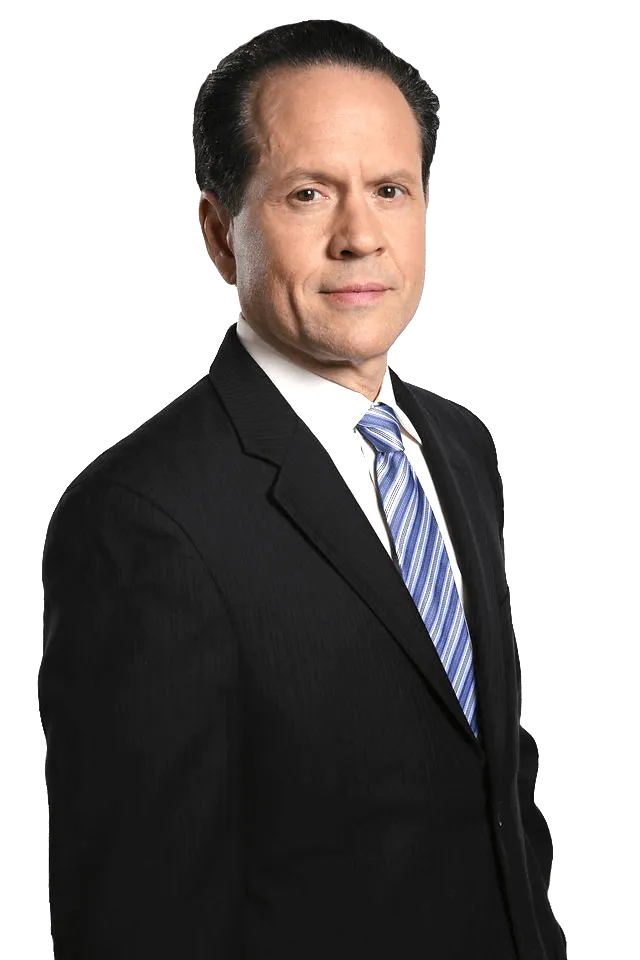
Jack G. Bernstein, Esq. has been protecting the rights of injured victims and their families for over 40 years.
Speak to Jack about your caseI had a fantastic experience with Jack Bernstein injury attorney firm! The team was incredibly smart and supportive, guiding me through every step of my case. Their expertise and dedication made a significant difference in the outcome of my situation. I truly appreciate their assistance and highly recommend their services to anyone in need of a top-notch injury attorney.
$500 million+ recovered
More than 40 years of verdicts and settlements for injured people and their families. Past results do not guarantee your outcome.
Jack is personally involved
You are not a case number. Jack stays involved in your case, and you will always know who is handling it.
We know how insurance companies work
Insurers look for ways to blame the person on foot. We gather the evidence that shows what really happened.
Experts who strengthen your case
Traffic camera footage, witness statements and accident reconstruction, gathered before they are gone.
No fee unless we win
No upfront cost. We advance the expenses of your case, and you pay no attorney fee unless we win.
Free consultation, day or night
Call any time, 24 hours a day. Tell us what happened and you will get an honest answer about your case.
Do you have a valid crosswalk accident case?
The strength of your crosswalk accident case depends on two key factors: whether you were legally using the crosswalk and how much fault lies with the driver versus you. Nevada’s pedestrian laws provide strong protections, but understanding when these protections apply and how fault is determined will help you evaluate whether pursuing compensation makes sense. The good news? Most crosswalk accidents result in valid cases when drivers fail to yield properly.
Nevada crosswalk laws: when you have the Right-of-Way
Nevada law gives pedestrians clear right-of-way protections in specific situations, and these protections are stronger than many people realize. Each of the rules below comes from NRS 484B.283(1), which itself opens “Except as otherwise provided in NRS 484B.287, 484B.290 and 484B.350,” so ask how those sections bear on your own crossing:
You have the right-of-way when
- The “WALK” indication or walking person symbol is lit and you are facing it: under NRS 484B.283(1)(d)(1) you may proceed across in the direction of the signal and must be given the right-of-way by the drivers of all vehicles
- You are crossing within a crosswalk where official traffic-control devices are not in place or not in operation, and you are on the half of the highway the vehicle is traveling on or turning onto, or approaching so closely from the other half as to be in danger (NRS 484B.283(1)(a))
- A crosswalk counts whether or not it is painted: NRS 484A.065 covers the part of a highway at an intersection between the connections of the lateral lines of the sidewalks, and any portion of a highway distinctly marked for pedestrian crossing
- Know the limit: while a “DON’T WALK” or “WAIT” indication or upraised hand is flashing without a countdown, or is steady, NRS 484B.283(1)(d)(3) and (4) say you may not start across, although you may finish a crossing you began lawfully
Drivers must yield to you when
- No traffic-control device is in place or operating and you are crossing within a crosswalk, once you are on the half of the highway they are traveling on or turning onto, or approaching so closely from the other half as to be in danger (NRS 484B.283(1)(a))
- You are facing an illuminated “WALK” indication, which all drivers must yield to (NRS 484B.283(1)(d)(1))
- Another vehicle is stopped at a marked crosswalk, or at an unmarked crosswalk at an intersection: a driver approaching from the rear may not overtake and pass the stopped vehicle until the driver has determined it was not stopped to let a pedestrian cross (NRS 484B.283(1)(c))
This doesn’t mean you can step into traffic without looking. You still have a duty to exercise reasonable care, but when you’re following the rules, drivers are legally required to watch for you and stop. The law is on your side.
In Las Vegas, this becomes particularly important around high-traffic areas like the Strip, where both tourists and locals may be unfamiliar with specific intersection layouts and timing. Jack’s decades of experience with these challenging intersections means he knows exactly how to build strong cases even in complex traffic scenarios.
When you can still win even if partially at fault
Here’s something insurance companies don’t want you to know: Nevada uses a modified comparative negligence rule for shared fault situations. You can still recover compensation as long as your negligence was not greater than the negligence of the defendant, or the combined negligence of the defendants you are suing. Your damages get reduced by your percentage of fault, but you don’t lose everything.
Here’s how it works in practice:
| Your Fault Percentage | Fault of the Driver or Drivers You Sue, Combined | Result |
|---|---|---|
| 20% | 80% | You recover 80% of damages |
| 40% | 60% | You recover 60% of damages |
| 50% | 50% | You recover 50% of damages |
| 51% | 49% | You recover nothing |
Common scenarios where you might share some fault:
- Jaywalking outside designated crosswalks
- Crossing against a “DON’T WALK” signal
- Entering the crosswalk without checking for approaching vehicles
- Being distracted by your phone while crossing
Even if you made a mistake, the driver’s negligence often carries the majority of responsibility. For example, if you crossed against a signal but the driver was speeding and texting, you might only be assigned 30% fault while the driver takes 70%.
The key point: Don’t assume you have no case just because you weren’t perfect. Insurance companies will try to convince you that any mistake on your part eliminates your rights, but Nevada law disagrees. Jack has successfully recovered compensation for clients who shared fault, because Nevada’s law recognizes that accidents often involve multiple contributing factors.
Not sure whether you have a case?
Do not assume crossing against the signal or looking at your phone means you have no claim. Tell us what happened and we will tell you honestly how Nevada’s shared-fault rule applies, whether it is a case worth bringing, and what would come next.
Free consultation · No fee unless we win · Available 24/7
What compensation can you receive for crosswalk injuries?
Crosswalk accident victims can recover two main types of damages: economic losses you can calculate with receipts and bills, and non-economic damages for pain and suffering. The total value depends on injury severity, how the accident impacts your daily life, and the strength of evidence showing the driver’s fault. Don’t let insurance companies convince you that your case isn’t worth much, they profit from undervaluing claims.
Medical bills and lost income recovery
Current medical expenses include everything you’ve paid so far: emergency room visits, ambulance transport, diagnostic tests, surgery, prescription medications, and physical therapy. Keep every receipt and bill, even small copays add up to significant amounts that you may be able to recover.
Future medical costs often represent the largest portion of serious injury cases. This includes:
- Ongoing physical therapy and rehabilitation
- Follow-up surgeries or procedures
- Long-term pain management
- Medical equipment like wheelchairs or mobility aids
- Home modifications for accessibility
Lost wages cover time you missed from work due to injuries and medical appointments. If you’re self-employed or work irregularly, you’ll need to document your typical income patterns before the accident. Jack’s team knows exactly how to present this evidence effectively.
Reduced earning capacity applies when injuries permanently affect your ability to work at the same level. For example, if you’re a construction worker who can no longer lift heavy objects, or a teacher who suffers cognitive issues from a brain injury. These losses can represent hundreds of thousands of dollars over your lifetime.
Pain and suffering compensation for crosswalk victims
Non-economic damages compensate for how injuries affect your quality of life. Nevada imposes statutory damages limits in some personal injury actions: NRS 41.035 limits a tort award against the State, its political subdivisions and their officers and employees to $200,000 per claimant, and NRS 41A.035 caps non-economic damages in medical malpractice cases (the 2026 figure is $590,000). Where no limit applies, compensation for severe injuries can be substantial. Ask your attorney whether any limit applies to your case. This isn’t “bonus money” it’s recognition that your suffering has real value.
Physical pain and discomfort from your injuries, both current and ongoing. This includes chronic pain, limited mobility, and the discomfort of medical procedures.
Emotional distress covers anxiety, depression, and PTSD that often follow traumatic accidents. Many crosswalk accident victims develop fear of crossing streets or being around traffic, these psychological impacts are legitimate damages.
Loss of enjoyment when injuries prevent you from activities you previously enjoyed, sports, hobbies, travel, or simply playing with your children.
Relationship impacts if injuries affect your marriage, family relationships, or ability to maintain social connections.
The value of pain and suffering typically correlates with injury severity and permanence. Temporary injuries that heal completely generally receive lower multipliers, while permanent disabilities or disfigurement command higher compensation.
Factors that determine your crosswalk accident case value
Every case is different, and no two crosswalk claims are worth the same. A handful of factors do most of the work. Understanding these helps you recognize whether insurance offers are fair.
Factors that increase case value
- Severe injuries requiring surgery, long-term treatment, or permanent disability
- Clear driver fault with strong evidence like traffic violations or witness testimony
- Significant income loss from high-paying jobs or lengthy recovery periods
- Permanent limitations that affect your ability to work or enjoy daily activities
- Young age when permanent injuries impact decades of future earning potential
Factors that may reduce case value
- Shared fault where you contributed to the accident (you can still recover if your negligence was not greater than the negligence of the defendant, or the combined negligence of the defendants you are suing)
- Pre-existing injuries that insurance companies claim caused your current problems
- Inconsistent medical treatment or gaps in care that suggest injuries aren’t serious
- Limited insurance coverage from drivers carrying only Nevada’s minimum $25,000 policy
What actually drives the value of a crosswalk claim is the case itself. Every case is different, and the range varies far too widely for a published figure to mean anything. These are the factors it turns on:
How serious and how permanent the injury is
The medical picture and future care
Fault, coverage, and proof
No reliable range exists for a case nobody has evaluated, and anyone who quotes you a settlement figure without reading the file is guessing. Insurance companies often start with offers well below fair value, which is why professional case evaluation helps determine if their offer reflects your case’s true worth.
The most accurate way to determine your case value is through consultation with an experienced crosswalk accident attorney who can evaluate your specific injuries, evidence, and circumstances. Jack’s four decades of experience means he can quickly evaluate the facts that drive your case’s value.
Protecting your case after a crosswalk accident
Evidence preservation and avoiding common mistakes can mean the difference between a strong case and a weak one. Insurance companies look for any reason to deny claims or reduce payouts, so protecting yourself legally is just as important as your physical recovery. Don’t worry, with the right guidance, you can avoid the pitfalls that weaken cases.
Essential evidence for your crosswalk accident claim
Scene documentation should happen immediately if you’re physically able:
- Photos of the crosswalk, traffic signals, and street signs
- Vehicle damage and final resting positions
- Skid marks, debris, or other physical evidence
- Your visible injuries (even if they seem minor)
Witness information can make or break disputed liability cases. Get names and phone numbers from anyone who saw the accident. Independent witnesses carry more weight than friends or family members who arrived after the fact. Don’t worry if witnesses seem reluctant, Jack’s team knows how to work with witnesses effectively.
The police report provides an official record, but it’s not automatically accurate. Review it carefully for errors about the accident location, your actions, or witness statements. You can request corrections if the report contains factual mistakes.
Medical documentation should be comprehensive and consistent. Seek medical attention even if you feel okay initially, some injuries like concussions or soft tissue damage don’t show symptoms immediately. Follow all treatment recommendations and keep appointments. Jack’s got your back in ensuring proper medical documentation.
Avoiding insurance company tactics that reduce your settlement
Insurance adjusters are trained to minimize payouts using several common strategies. Knowing these tactics ahead of time protects you from making costly mistakes.
Recorded statements seem innocent but create opportunities for insurance companies to twist your words later. They’ll ask leading questions designed to get you to accept fault or downplay your injuries. You’re not legally required to give a recorded statement to the other driver’s insurance company. It’s okay to say no.
Quick settlement offers usually come before you understand the full extent of your injuries. These offers seem generous initially but rarely cover long-term medical needs or adequately compensate for pain and suffering. Don’t feel pressured to accept immediately.
Claim delays are designed to frustrate you into accepting lower offers. They’ll request the same documents multiple times, schedule unnecessary medical examinations, or simply fail to respond to your attorney’s communications.
Surveillance may be used to contradict your injury claims. Be honest about your limitations, but understand that insurance companies sometimes hire investigators to film your daily activities.
The best protection against these tactics is having experienced legal representation who understands how insurance companies operate and can counter their strategies effectively. With Jack on your side, you don’t have to face these tactics alone.
When you need a crosswalk accident attorney
Most crosswalk accident cases benefit from legal representation, but certain situations make professional help essential rather than optional. The complexity of your case, severity of injuries, and insurance company response will determine whether you can handle negotiations yourself or need an experienced attorney. When in doubt, get a professional opinion, it’s free and could save you thousands.
Signs your crosswalk case needs legal representation
Serious injuries requiring extensive medical treatment, surgery, or long-term rehabilitation automatically warrant legal help. The potential compensation justifies attorney fees, and insurance companies take represented claimants more seriously.
Disputed fault scenarios where the insurance company claims you caused or contributed to the accident. They’ll use any excuse to reduce their payout, jaywalking allegations, claims you weren’t paying attention, or arguments about signal timing. Don’t fight this battle alone.
Hardball claims handling is another sign you need a lawyer. Nevada’s unfair claim practices statute, NRS 686A.310, makes an insurer liable in damages to its own insured, so a bad faith claim of that kind belongs to a policyholder against their own carrier, not to you against the driver’s insurer. Your leverage against the other side is a well documented claim, handled by an attorney. Watch for an adjuster who will:
- Deny valid claims without reasonable basis
- Delay investigations or payment without cause
- Refuse to negotiate in good faith
- Offer settlements far below your documented damages
Multiple parties complicate liability and insurance coverage. This includes accidents involving rideshare drivers, commercial vehicles, government entities, or situations where multiple insurance policies might apply.
Long-term impact on your ability to work, perform daily activities, or enjoy life requires professional evaluation of future damages. These calculations involve medical experts, vocational rehabilitation specialists, and economists.
Complex liability situations involving traffic signal malfunctions, construction zones, or unusual intersection designs need legal analysis to identify all potentially responsible parties.
Working with Jack Bernstein Injury Lawyers for your crosswalk case
Jack Bernstein’s 40+ years of experience handling Las Vegas pedestrian accidents provides several advantages over general practice attorneys or large personal injury mills. When you choose Jack, you’re choosing someone who truly has your back.
Direct attorney access means you work with Jack personally rather than being passed between paralegals and junior associates. Your case strategy comes from decades of courtroom experience, not cookie-cutter approaches. Jack’s got your back means you get Jack himself.
Local knowledge of Las Vegas traffic patterns, common accident locations, and how local courts handle pedestrian cases helps build stronger arguments. Jack understands which intersections have visibility problems, how tourist traffic affects fault analysis, and what compensation ranges are realistic in Clark County.
Insurance company relationships built over four decades mean Jack knows how each major insurer operates, which adjusters can be trusted, and when cases need to go to trial rather than settle. This knowledge works in your favor.
Contingency fee structure means you pay no attorney fees unless Jack recovers compensation for you. This aligns his interests with yours, so you can be represented whatever your financial situation. Jack’s got your back even if you can’t afford legal fees upfront.
Case evaluation during your free consultation provides honest assessment of your claim’s strengths and weaknesses. Jack will tell you if you have a strong case worth pursuing or if your situation doesn’t justify legal action. No pressure, just honest guidance.
Taking action after your crosswalk accident
Time works against crosswalk accident victims in multiple ways. Evidence disappears, witnesses forget details, and Nevada’s statute of limitations sets a filing deadline that is generally two years, though different deadlines and exceptions can apply. Taking appropriate action quickly protects your legal rights and maximizes your potential recovery. Don’t let valuable time slip away while you’re focused on healing.
Nevada’s two-year statute of limitations generally applies to an injury claim from a crosswalk crash and runs two years after the cause of action accrues (NRS 11.190(4)(e)), but different deadlines and exceptions can apply: a tort claim against the State or one of its political subdivisions must also be filed with the Attorney General or that governing body within 2 years after the cause of action accrues (NRS 41.036), a separate claim-filing requirement that is not a condition precedent to bringing an action, and for a child injured in a crosswalk the time before the child turns 18 does not count toward the deadline on the child’s own claim (NRS 11.250). While two years seems like plenty of time, building a strong case takes months of investigation, medical evaluation, and negotiations. Starting the legal process early gives your attorney time to develop the strongest possible claim.
Evidence preservation becomes more difficult as time passes. Security camera footage gets deleted, skid marks fade, and accident scenes change. Physical evidence at the location may be your strongest proof of what happened.
Medical treatment gaps can hurt your case if you wait too long between your accident and seeking care, or if you stop treatment prematurely. Insurance companies argue that gaps indicate your injuries weren’t serious or were caused by something other than the accident.
Your next steps depend on your specific situation
- If you have serious injuries: Contact an attorney immediately, even while still receiving medical treatment
- If fault is disputed: Gather evidence and seek legal consultation before giving any statements
- If insurance offers seem low: Get a professional evaluation before accepting or rejecting
- If you’re unsure about your case: Take advantage of free consultations to understand your options
For your free consultation with Jack Bernstein Injury Lawyers, bring
- Police report and any accident scene photos
- Medical records and bills from your treatment
- Insurance correspondence and settlement offers
- Documentation of lost wages or time off work
- List of questions about your specific situation
The consultation provides honest assessment of your case value, explanation of the legal process, and clear understanding of your options moving forward. Most importantly, you’ll know that Jack’s got your back throughout the entire process.
Your crosswalk accident case’s success depends on understanding Nevada’s pedestrian protection laws, preserving critical evidence, and avoiding insurance company tactics designed to minimize your compensation. Even if you share some fault, Nevada’s modified comparative negligence rule allows you to recover damages as long as your share of the fault is not greater than the combined share of those you sue. Don’t let insurance companies convince you otherwise.
The decisions you make in the coming weeks will significantly impact your case value. Don’t let insurance companies pressure you into quick settlements before you understand the full extent of your injuries and their long-term impact on your life. Talking with a lawyer before you accept an offer lets you weigh it against what your treatment and losses actually involve.
Jack Bernstein’s four decades of experience handling Las Vegas crosswalk accidents means honest case evaluation, direct attorney access, and the knowledge to investigate your claim and pursue any compensation that may be available under the facts and the law. The consultation is free, and you only pay attorney fees if your case recovers compensation. Remember: Jack’s got your back through every step of this challenging process.
Contact Jack Bernstein Injury Lawyers today to protect your rights and evaluate your crosswalk accident case.
Related reading
We will contact you immediately.
The consultation is free, confidential, and available now. Tell us what happened. We will tell you where you stand.
Call Now 24/7/365(702) 633-3333Find out what your case is worth
Free, confidential evaluation in as little as 5 minutes. Contact us today to speak to Jack personally.
- You pay nothing until we win
- Get an immediate call back. 24/7
- We do not sell or share your information